
Understanding psychological triggers in gambling behavior What drives your bets
The Psychology of Risk Taking
The world of gambling is often intertwined with risk-taking behaviors, deeply rooted in human psychology. Individuals are naturally drawn to the thrill of uncertainty; this excitement can trigger dopamine release in the brain, creating a rewarding feeling. This psychological response not only encourages repetitive betting but also contributes to the allure of various gambling forms, such as casinos or online platforms. When players perceive a chance for high rewards, the brain’s reward center becomes activated, further reinforcing the cycle of risk-taking. For more insights, you can visit https://casea-me.com/en/.

Moreover, the concept of loss aversion plays a significant role in gambling behavior. Research shows that losses typically have a greater emotional impact than equivalent gains. This emotional weight can compel players to chase losses by placing additional bets in hopes of recouping their initial losses. It’s this psychological trigger that often leads to increased gambling frequency and intensity, creating a cycle that’s difficult to break.
Cognitive biases, such as the gambler’s fallacy, also play a crucial role. Many gamblers believe that past events can influence future outcomes, leading them to make irrational betting decisions. For instance, a player may think that a certain number is “due” to hit in a game of roulette simply because it hasn’t appeared recently. This misjudgment of probabilities can significantly affect betting patterns, often steering players toward reckless behavior.
The Role of Environment in Gambling Behavior
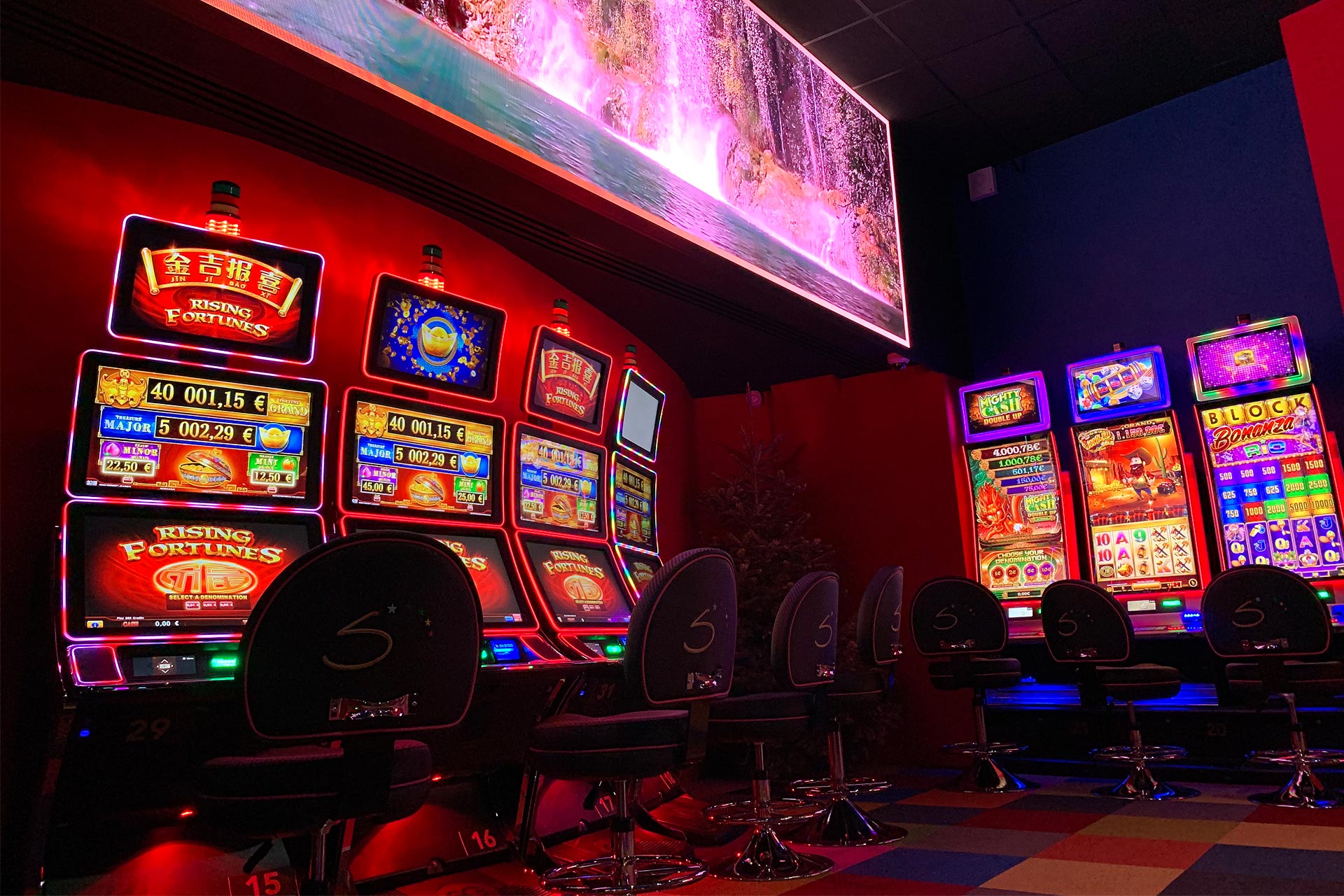
The gambling environment is meticulously crafted to encourage extended play and increased spending. Casinos and online platforms utilize bright lights, engaging sounds, and strategic layouts to create an immersive experience. This designed atmosphere can heighten excitement and blur the lines between reality and gambling, making it easier for players to lose track of time and money. For example, many casinos lack clocks or windows, which can lead to disorientation and prolonged gambling sessions.
Additionally, the social aspect of gambling can be a potent psychological trigger. Engaging with others can amplify the excitement and thrill of betting, making the experience more appealing. Whether in a bustling casino or online, social interactions can stimulate camaraderie and competition, drawing players into extended gambling periods. This social reinforcement can often overshadow rational decision-making, prompting players to place bets they might have avoided in isolation.
Moreover, the presence of near-misses can serve as a psychological motivator. When players come close to winning, their brains may interpret this as a sign of potential success, prompting further betting. This phenomenon often occurs in slot machines, where players experience frequent near-miss situations. These experiences can create a false sense of hope, encouraging gamblers to continue playing, believing they are on the cusp of a win.
Emotional Triggers in Gambling
Emotions play a significant role in gambling behavior, acting as both motivators and deterrents. Many individuals gamble as a form of escapism, using it to relieve stress or anxiety. This emotional regulation can lead to increased betting as players attempt to improve their mood or cope with life’s challenges. The initial thrill of gambling can provide a temporary escape, but this can quickly evolve into a problematic relationship with gambling.
Additionally, individuals may also experience emotional highs and lows while gambling, which can further impact their behavior. Winning can lead to feelings of euphoria, while losses may result in despair. These extreme emotional swings can create a compulsive cycle where individuals continue to bet in hopes of recapturing those high moments. This emotional rollercoaster can make it challenging for players to recognize the dangers of their gambling behavior.
The desire for social acceptance can also be an emotional trigger. Many people are influenced by societal norms that glamorize gambling, viewing it as a thrilling and socially acceptable form of entertainment. This peer pressure can lead individuals to gamble more than they otherwise would, increasing the risk of developing unhealthy gambling habits. The emotional need to fit in can overshadow rational decision-making, pushing players further into the gambling cycle.
The Impact of Marketing and Promotions
Marketing strategies employed by casinos and online gambling platforms significantly influence gambling behavior. These promotions, often emphasizing bonuses and free plays, can create an illusion of value, prompting individuals to participate more than they might otherwise. The power of suggestion and appealing advertisements can lead potential gamblers to believe that they can achieve quick riches, encouraging risky betting behaviors.
Furthermore, promotional techniques such as loyalty programs and rewards systems can reinforce gambling habits. Players may feel compelled to continue betting to unlock rewards or maintain their status within a system. This can create a cycle where individuals continuously gamble, motivated by the fear of missing out on potential benefits. Marketing plays a pivotal role in shaping perceptions of gambling, often skewing them in favor of continued engagement.
Additionally, the rise of online gambling has introduced new marketing avenues, including targeted ads on social media and other digital platforms. These advertisements can reach individuals at their most vulnerable, increasing the chances of impulsive betting. The accessibility of online gambling can further exacerbate the psychological triggers associated with gambling, making it easier for individuals to succumb to temptation and engage in risky behavior.
Exploring Responsible Gambling at Casea Casino
Understanding the psychological triggers in gambling behavior is crucial for fostering responsible gambling practices. Casea casino prioritizes promoting awareness of these factors and encourages players to approach gambling as a form of entertainment rather than a means to financial gain. By educating players on the psychological aspects of gambling, Casea casino aims to create a safer and more enjoyable gaming experience.
Through various initiatives and resources, Casea casino is committed to helping players recognize the signs of problematic gambling behavior. Providing tools for self-assessment and strategies for managing one’s gambling habits can empower individuals to make informed decisions. By promoting responsible gaming, Casea casino seeks to mitigate the adverse effects that can arise from gambling and to support players in developing healthier relationships with betting.
Ultimately, Casea casino’s commitment to responsible gambling aligns with its goal of creating a positive environment for all players. By understanding the psychological triggers in gambling behavior, both players and operators can work together to ensure that gambling remains a safe and enjoyable pastime. This collaborative approach can help reduce the risks associated with gambling and promote healthier gaming habits in the long run.